Compare means and GLM
Are the groups different?
9procedures
- T tests and ONEWAYT-TEST
- Factorial and MANOVAGLM
- Repeated measuresGLM
- Linear mixed modelsMIXED
StatLens is a statistics workbench with SPSS-class depth, a modern interface and reproducible syntax, plus an AI assistant that runs on your own hardware, so your data never leaves your machine.
The browser version runs the full engine on your device. Nothing is uploaded.
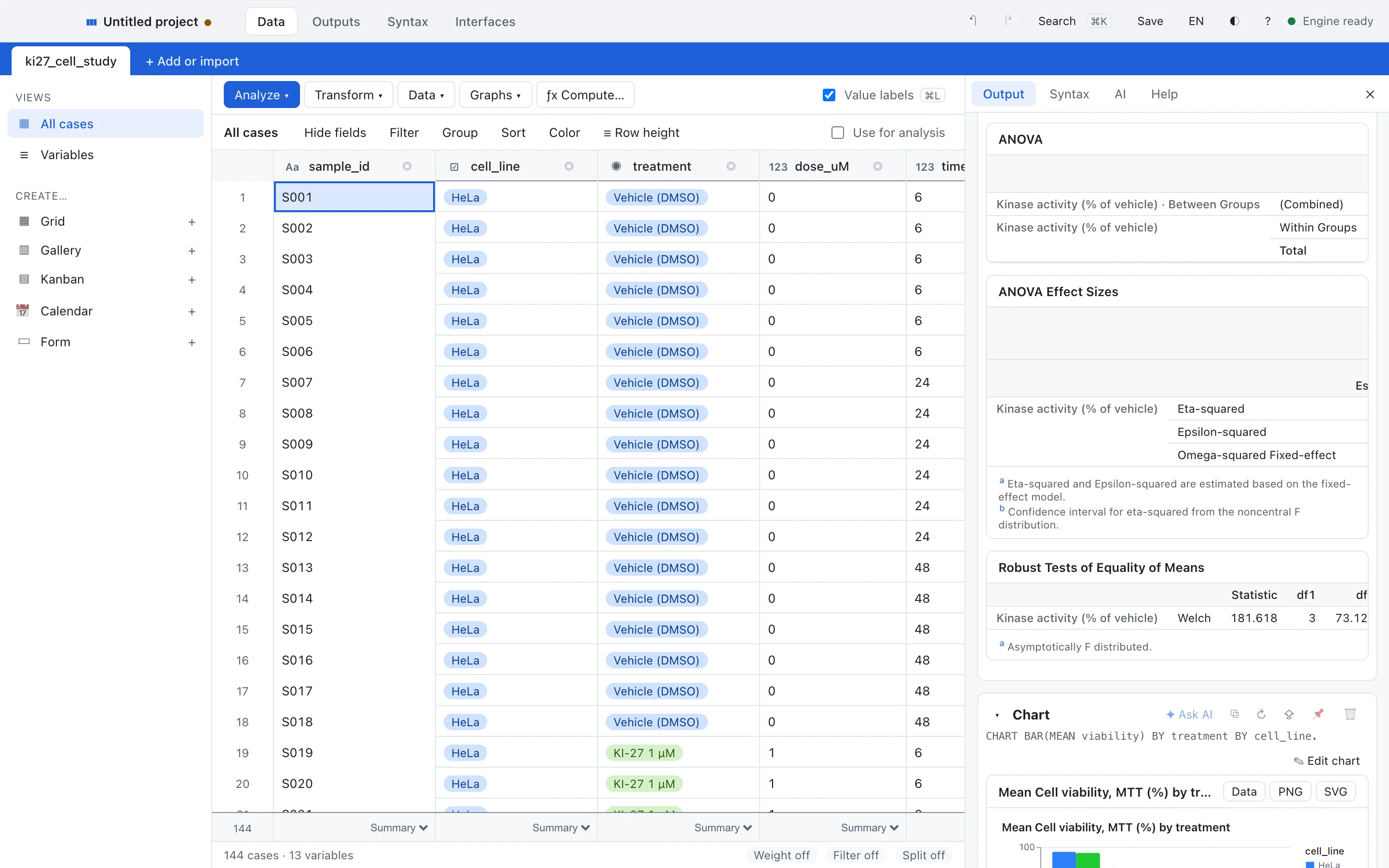
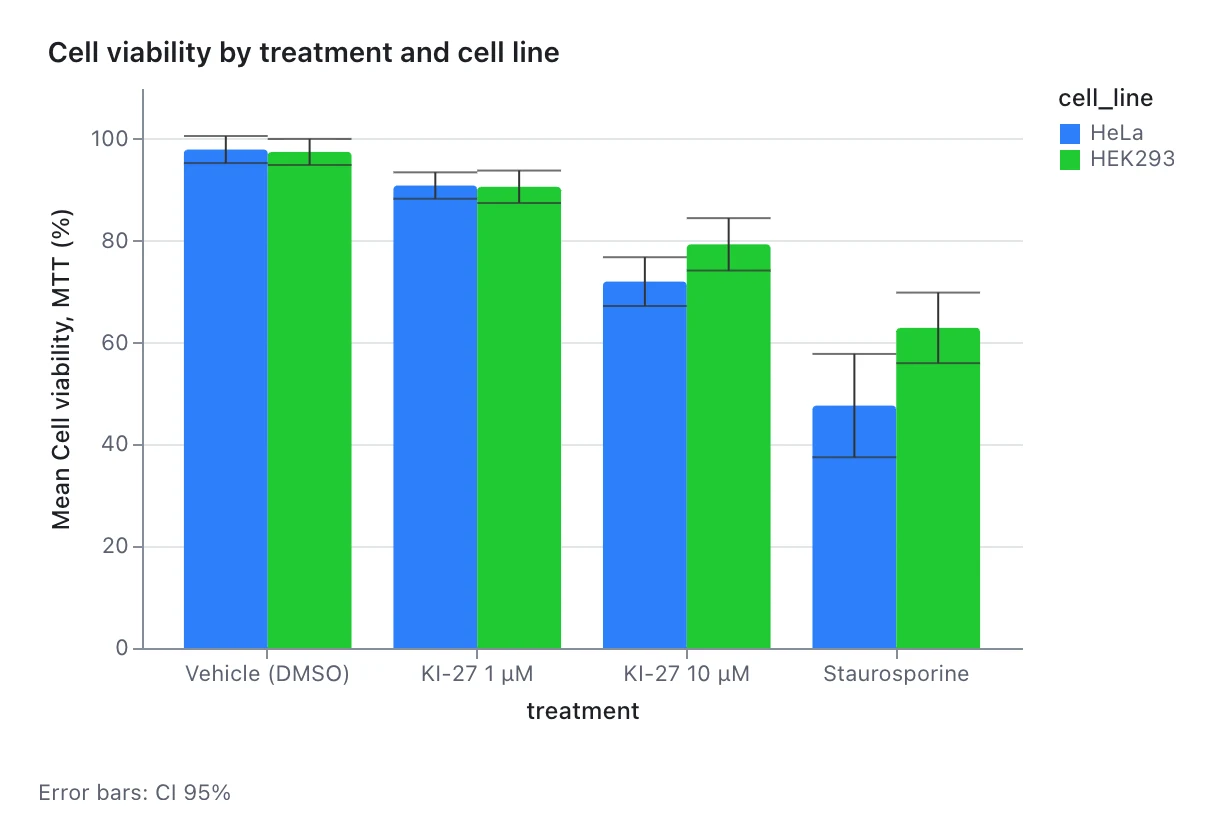
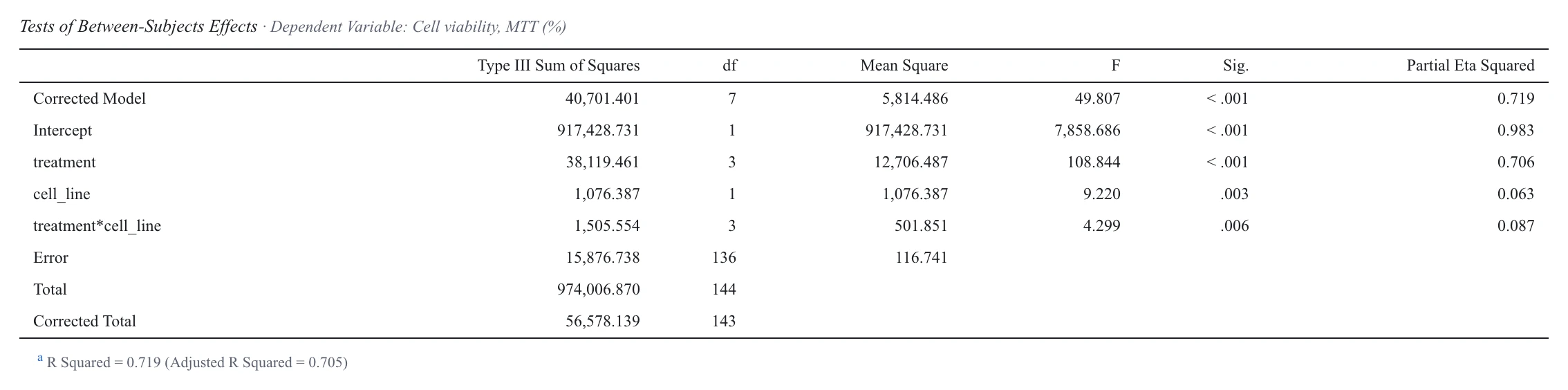
Menus and dialogs for every procedure, a full command language underneath, and output that is ready for your thesis or paper. No learning curve if you know SPSS, and a gentle one if you don't.
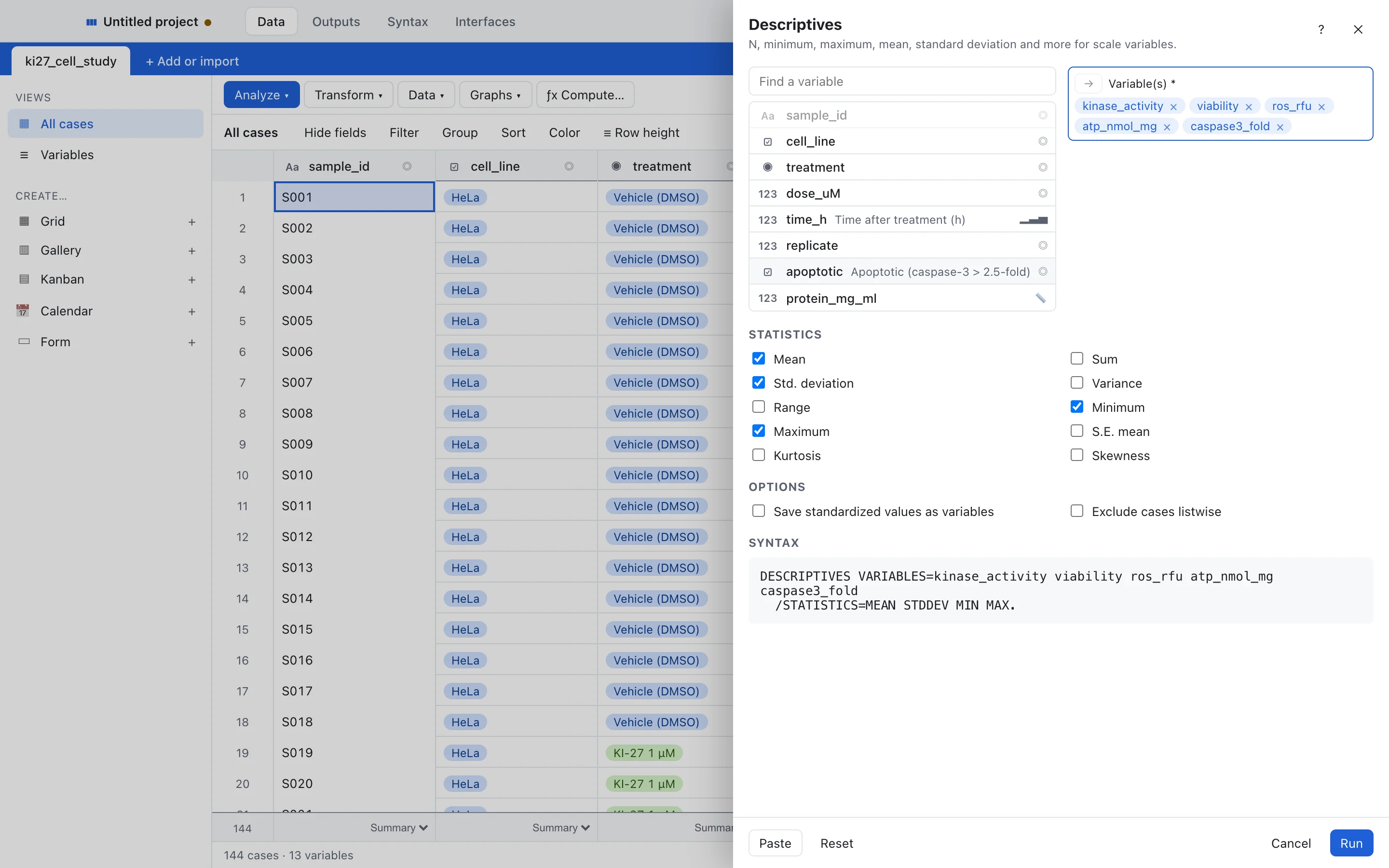
Pick variables in a dialog. The syntax it writes is shown live, so the menu teaches the language.
One-way, factorial, repeated measures, mixed models. 15 post hoc tests including Tukey and Games-Howell, with effect sizes.
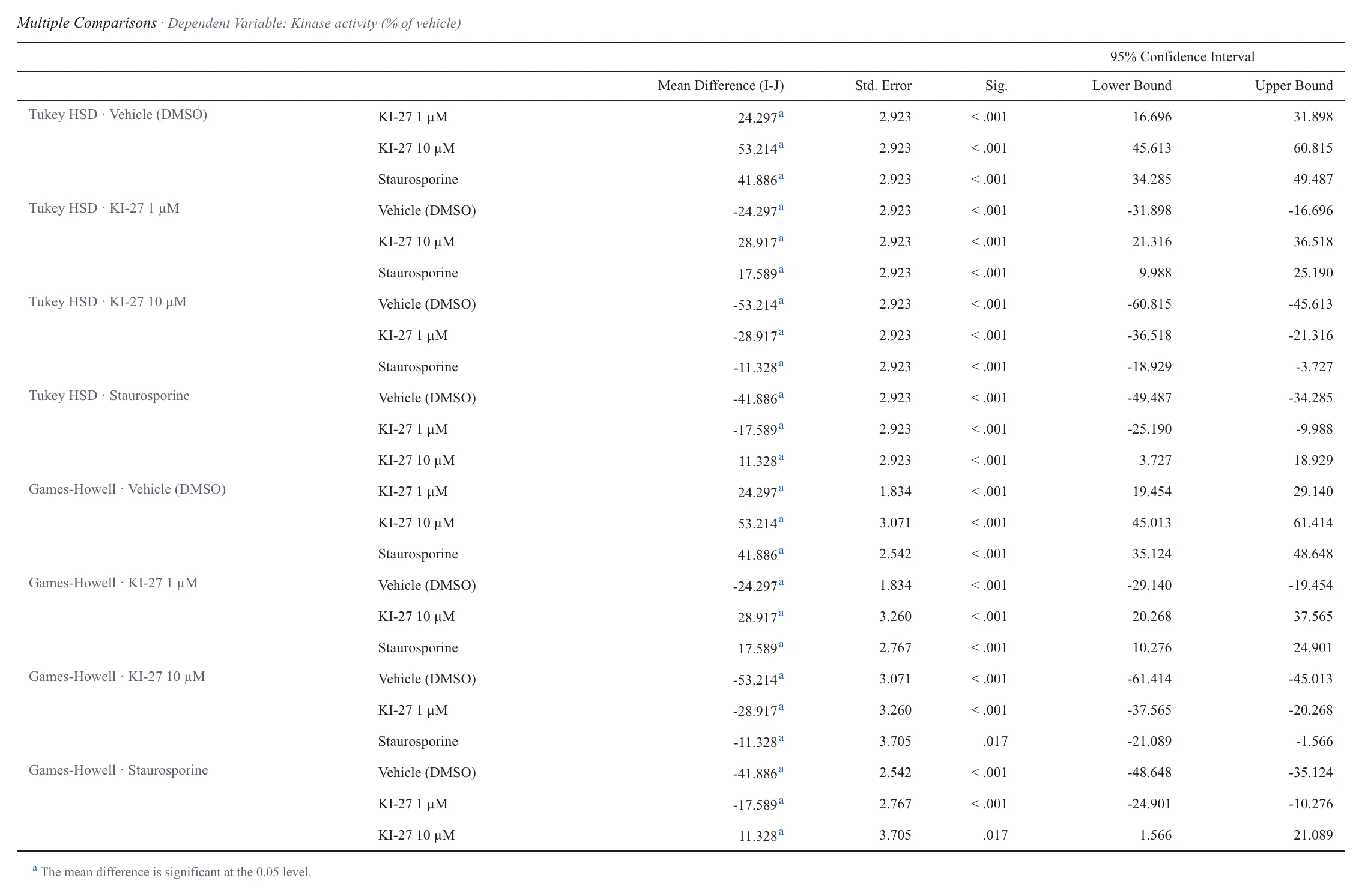
Linear, logistic, ordinal, multinomial, Cox, GEE, quantile, lasso and more, with collinearity and robust standard errors.

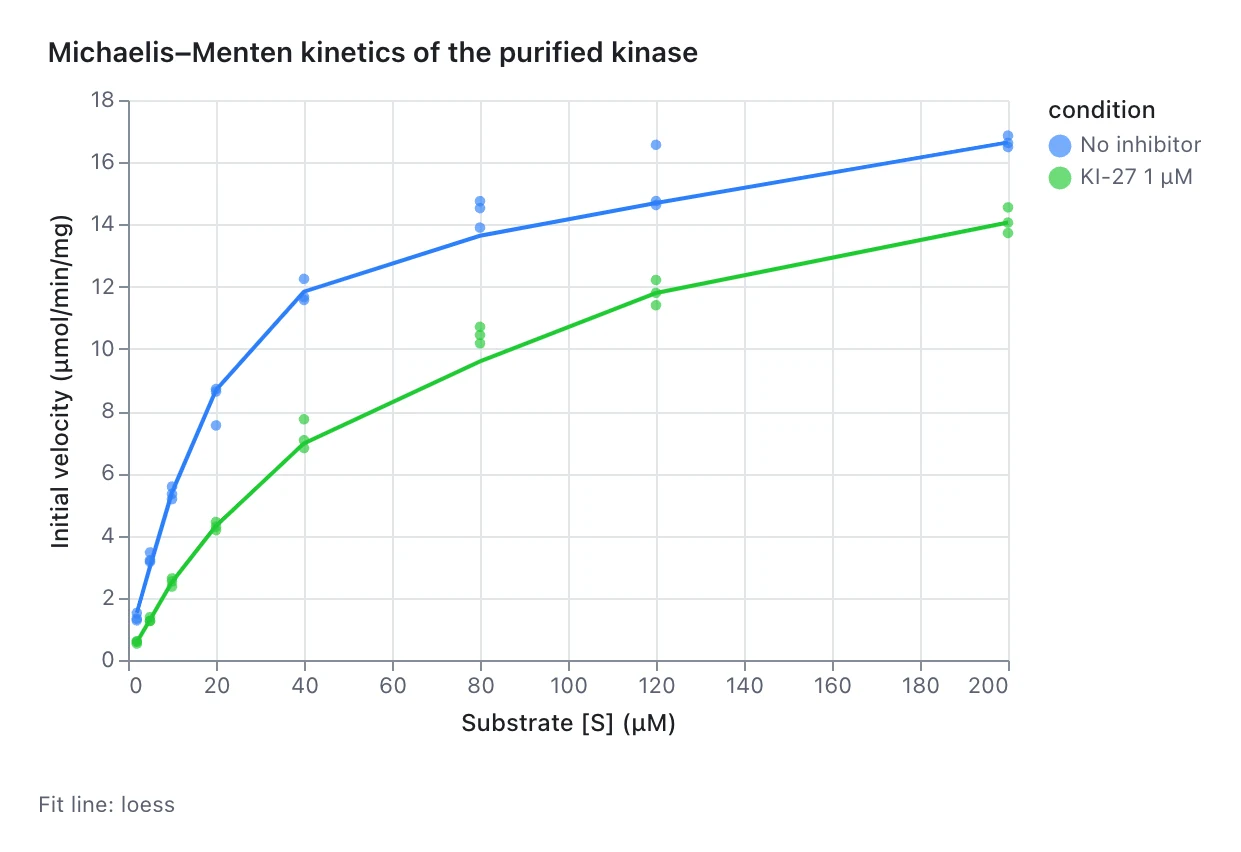
Write the model as an expression. Here, Michaelis–Menten kinetics fitted separately for each condition.
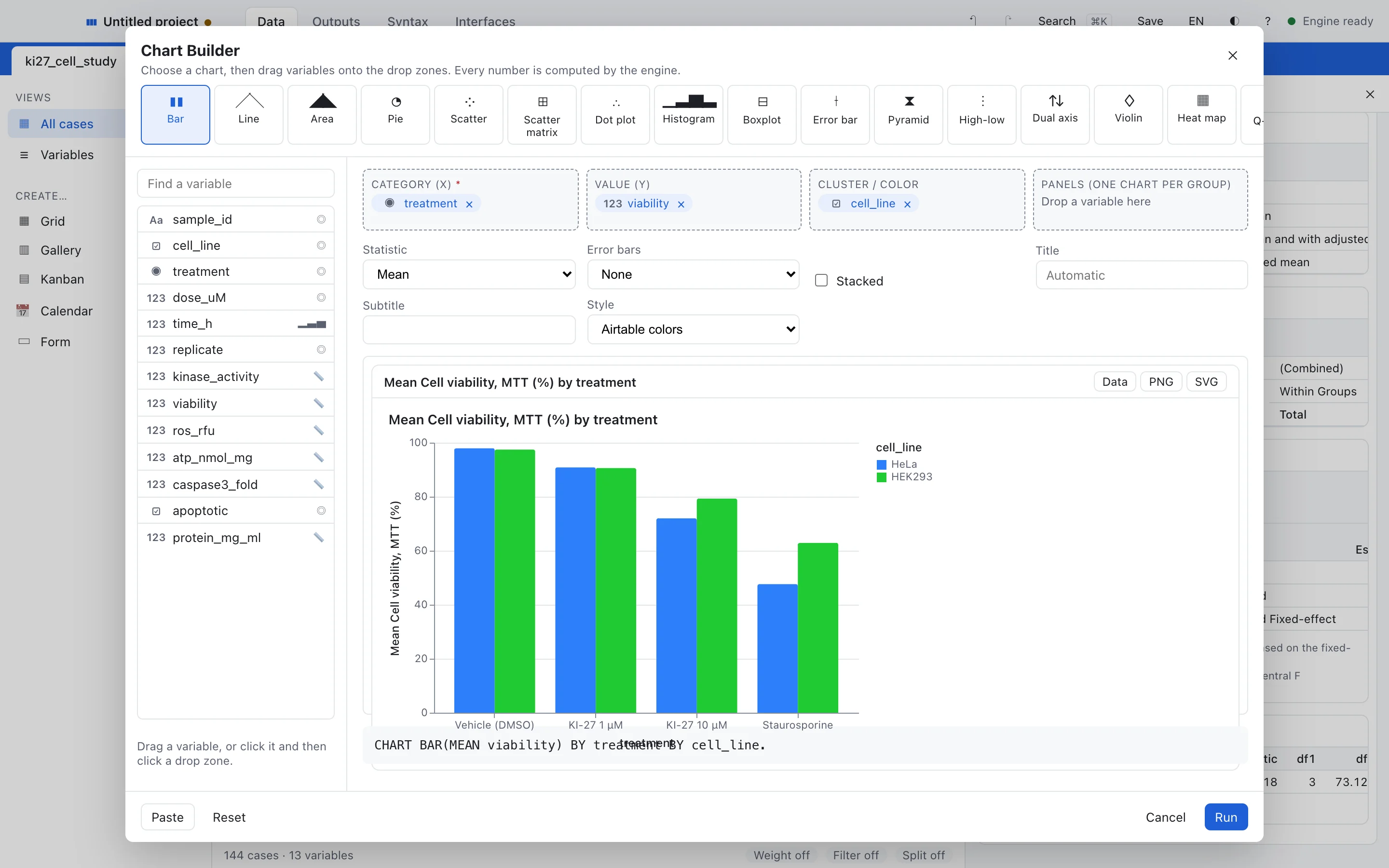
Choose a chart, put fields on the axes and see the engine-computed preview before you run it.
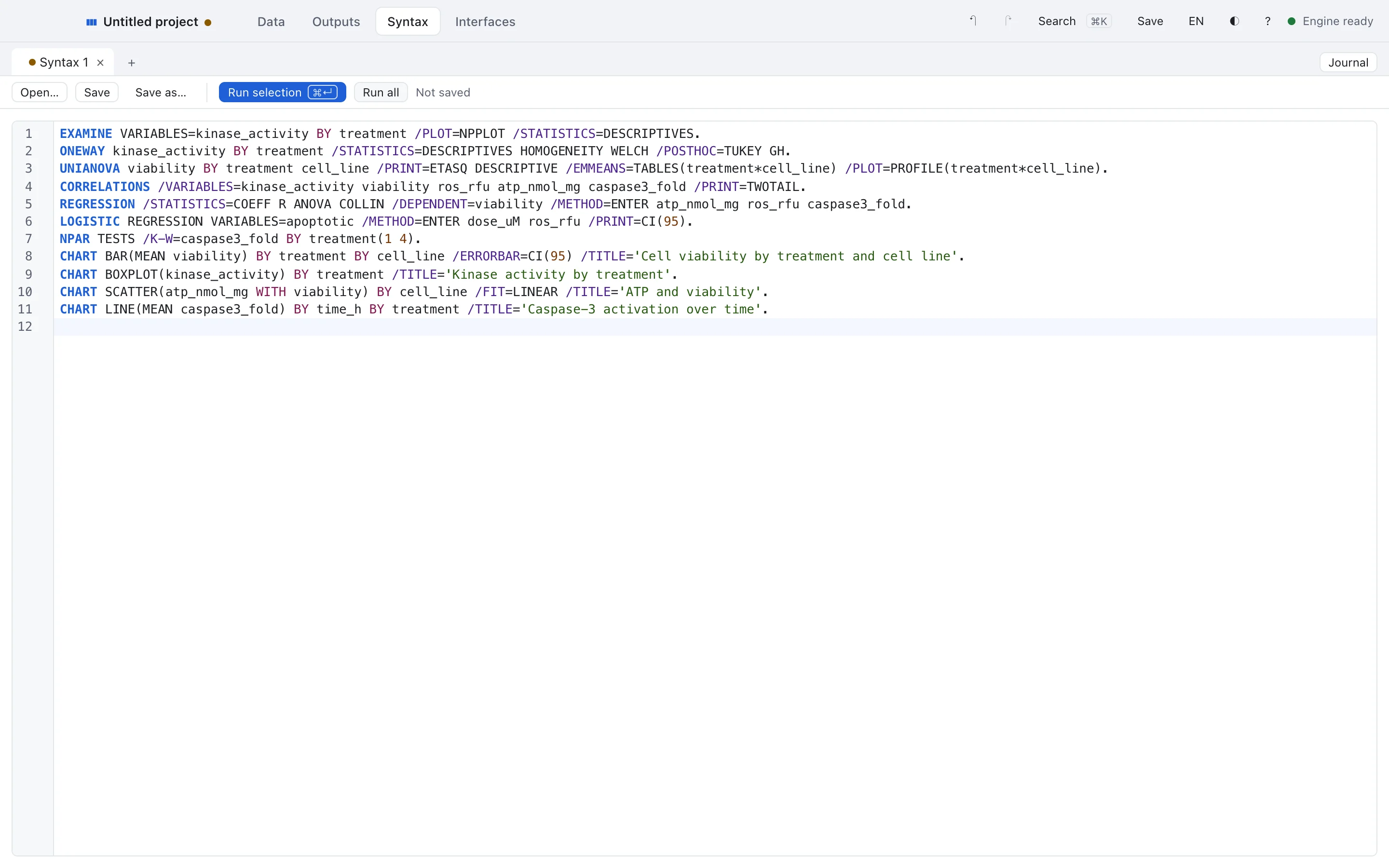
Everything in the menus is also a command. Run a whole analysis plan in one go, or convert existing SPSS syntax.
The AI plans, explains and writes. The statistics engine computes. Every number in an AI answer comes from a real result, and every action becomes syntax you approve first.
Choose a test, interpret a table, write syntax or draft your results section. The answer always points at the output it came from.
Every figure in an AI answer is checked against the computed output. If the model invents a number, StatLens flags it before you see it.
Pick an exposure level per project, from metadata only to full data, and preview the request before anything reaches the model.
Ollama, LM Studio, llama.cpp or any OpenAI-compatible server on your network. Keys live in the system keychain.
A local audit log records each request, what was shared and what was approved. Export it or purge it.
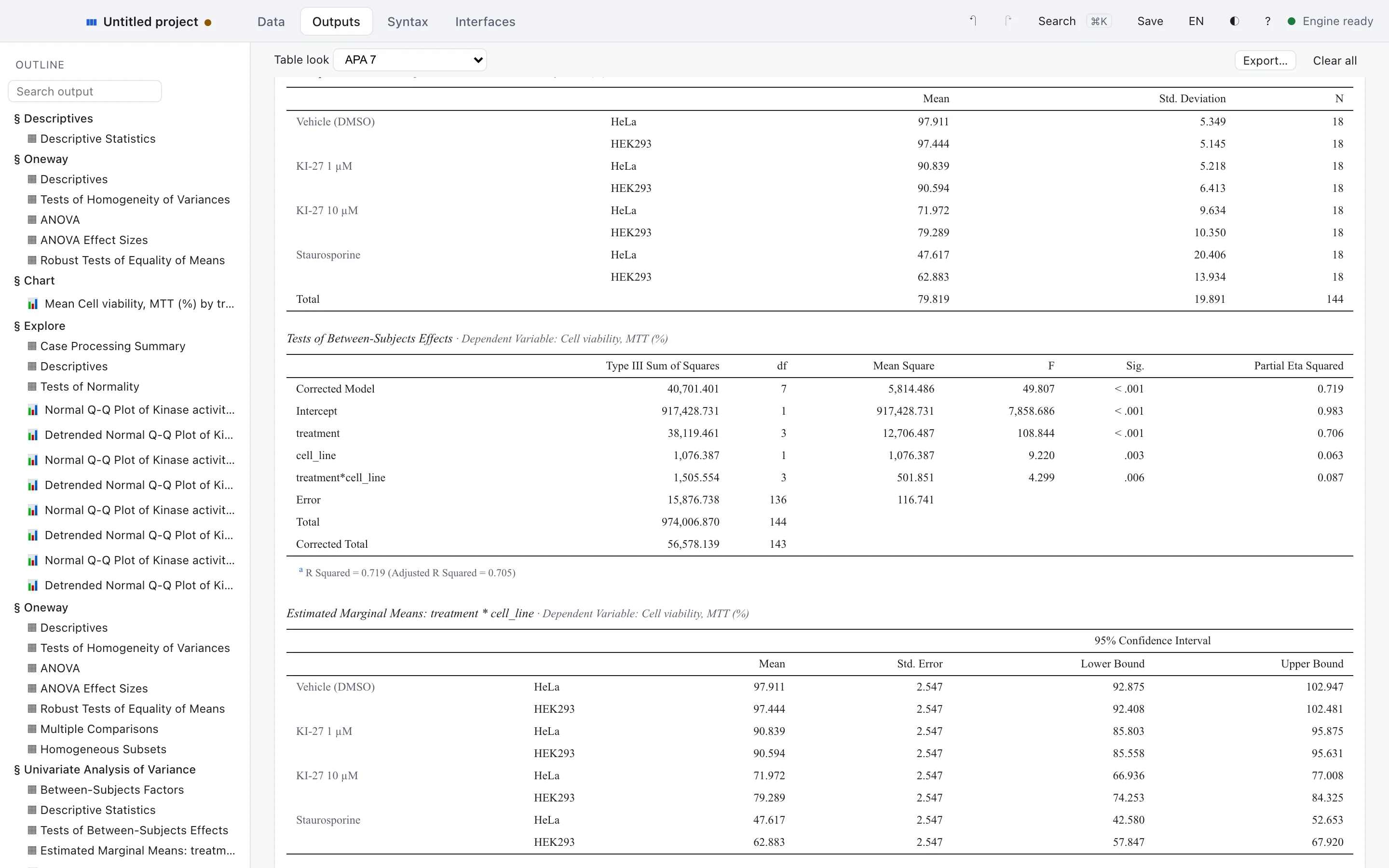
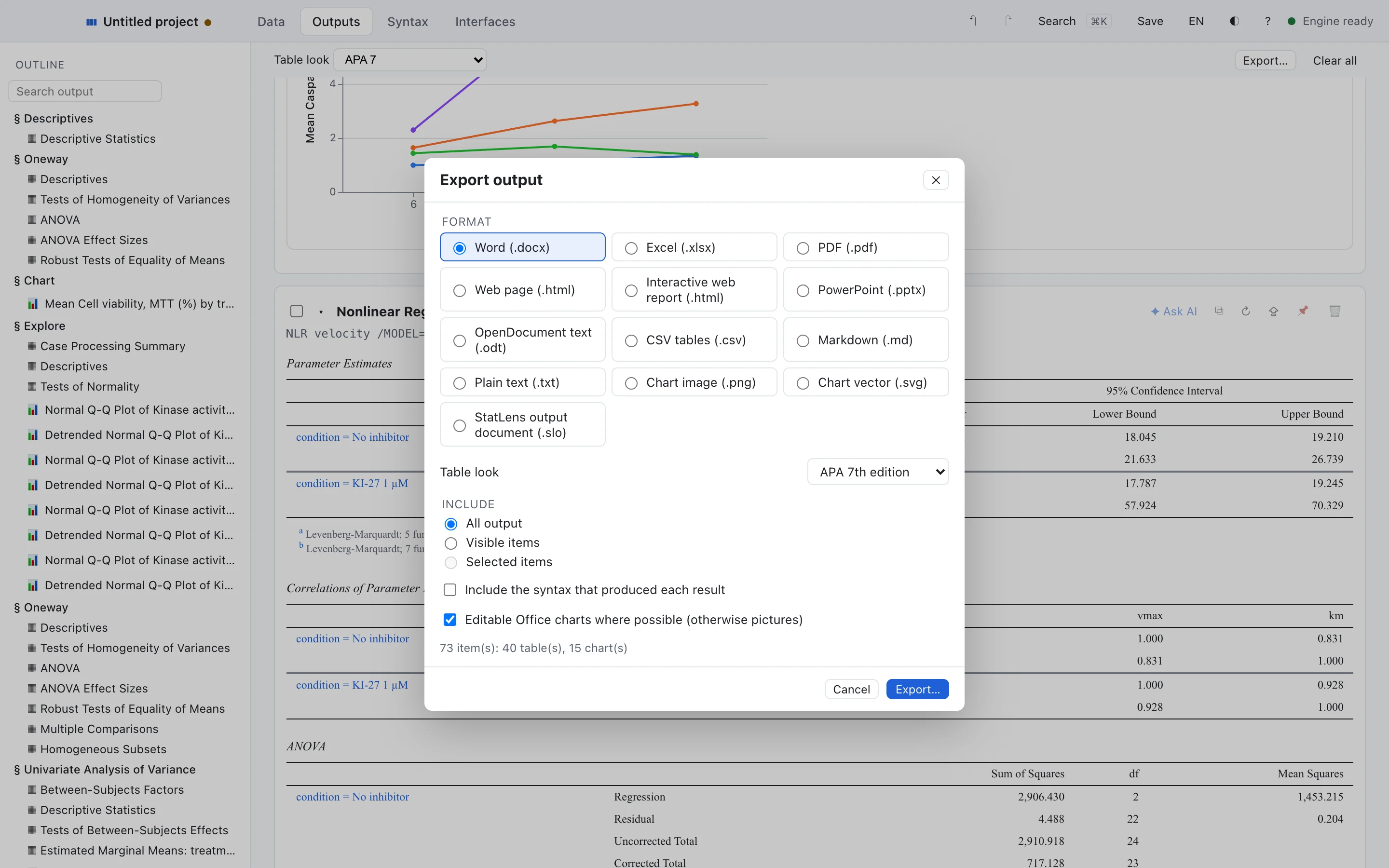
Reproducible by default. Clicks, dialogs and AI actions all become syntax in a journal, so anyone can re-run the analysis exactly.
Exports that look finished. APA 7 tables and editable Office charts in Word, Excel and PowerPoint, plus PDF, OpenDocument and a self-contained web report.
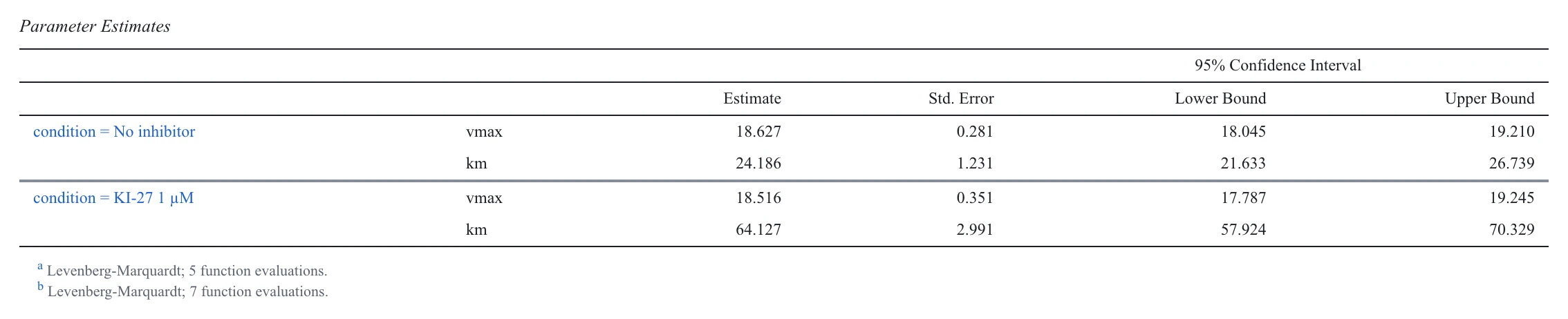
Validated, not just plausible. Results are checked against certified and published references, from NIST datasets to classic textbook examples.
Extend it your way. Python programs, signed extensions, custom dialogs and scheduled batch jobs, all behind a clear trust model.
148 procedures covering the SPSS module line-up, plus methods that SPSS doesn't offer.
Are the groups different?
What predicts the outcome?
When, and how often?
How do I report this survey?
Is my estimate design-correct?
Is the data ready?
Does the theory fit?
Which group does it belong to?
What happens next?
Methods researchers ask for
Import plate-reader data, label it, run ANOVA, regression and a Michaelis–Menten fit, then save the project and export the report.
Hospitals, statistics offices and universities get policy, encryption and audit without giving up a modern tool.
A network guard pins every AI request to approved hosts on your network. Everything else is blocked and logged, including redirects and IPv6 tricks.
AES-256-GCM project files with scrypt keys. Autosaves and crash recovery are encrypted too, and no plaintext is written to disk.
Admin policy. One file sets allowed models, exposure limits and egress rules for every install.
System keychain. API keys and passwords are stored by the OS, never in project files.
Exposure levels. From metadata only to full data, chosen per project and previewed per request.
Audit log. Every AI request, what was shared and what was approved, exportable.
Works offline. The engine and help run with no connection; AI uses your own servers.
Signed extensions. Packages are hash-checked and signature-verified; policy can forbid unsigned ones.
Sandboxed app. Mac App Store sandbox build with security-scoped file access.
Accessible. Keyboard reachable and screen-reader labelled, audited on every view.
Right-to-left ready. Interface mirroring for Urdu and Arabic (preview, under review).
Batch jobs. Headless runs and scheduled jobs for production reporting.
StatLens sends each task to the model you assign to that role, and rates how well your model handles statistics work before you rely on it.
Linear regression and univariate statistics reproduce the certified values of the NIST Statistical Reference Datasets.
The classic three-factor CFA reproduces the published lavaan results: fit indices, loadings and standard errors.
Random-effects meta-analysis of the 13 BCG trials matches the published metafor estimates and heterogeneity statistics.
The JZS Bayes factor for the paired t-test matches the published reference value, with no MCMC involved.
Comparisons against R and SPSS output, and an external statistician review, are in progress and will be published.
SEM and CFA with lavaan-style syntax, five estimators, invariance testing and a path diagram editor.
Sampling plans, PPS selection and design-based tables, regression, logistic and Cox models.
IRT, latent class, GAMs, panel models, robust regression, competing risks and more.
AES-256 project files, password-protected .sav files, and no plaintext written to disk.
Export the whole output as one self-contained page with an outline and sortable tables.
Optional native kernels make descriptives, frequencies and crosstabs 2–4× faster on 10M rows.
Open the browser version now, or join the beta for the Mac app. Windows is next.